
New Clues to Aurora Triggers Found in Radio Wave Bursts
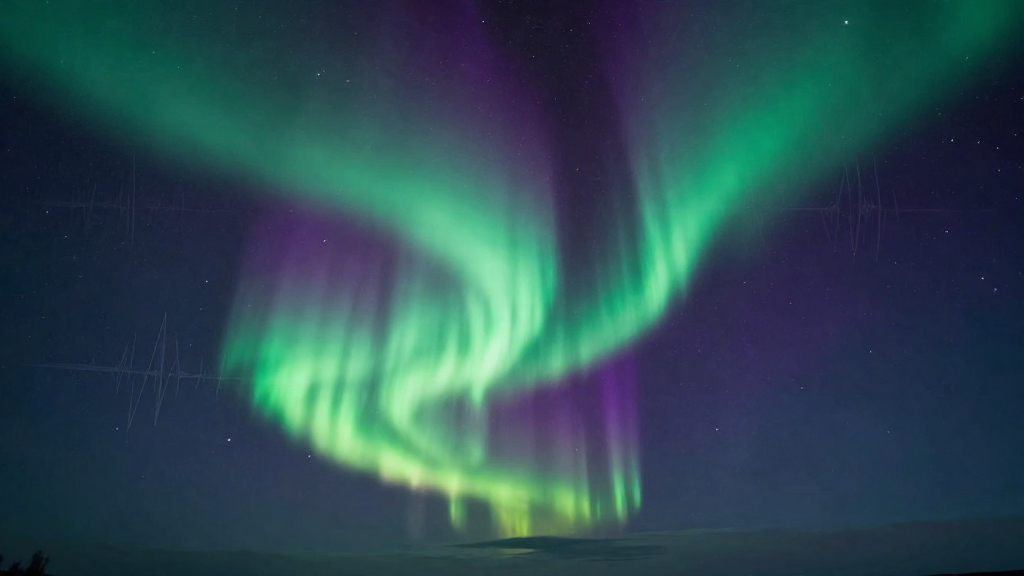
Scientists have uncovered a potential new explanation for the most vibrant and intense auroral displays, linking them to specific types of radio wave bursts. A recent study from the University of Southampton suggests these celestial signals might be the key to understanding what ignites the spectacular light shows of the northern and southern lights.
Understanding the Aurora’s Intensity
While auroras are a common phenomenon caused by charged particles from the sun interacting with Earth’s atmosphere, the conditions that lead to particularly intense and colorful displays have remained somewhat elusive. This new research points towards radio wave emissions as a critical, previously underappreciated factor.
The Southampton Study’s Findings
Researchers at the University of Southampton have identified a correlation between the onset of these powerful auroral events and the detection of specific radio wave bursts. This discovery opens up a new avenue for predicting and understanding the dynamics of space weather and its most visible impact on our planet.
Why This Matters
Understanding the precise triggers for intense auroras is not just about appreciating their beauty. It contributes to our broader knowledge of space weather, which can have significant impacts on technology, from satellite operations to power grids. By linking radio wave activity to these events, scientists are gaining a more comprehensive picture of the complex interplay between solar activity and Earth’s magnetosphere.
This story was based on reporting from Phys.org. Read the full report here.