

Exotic Animal Cafes: A Growing Trend with Troubling Implications
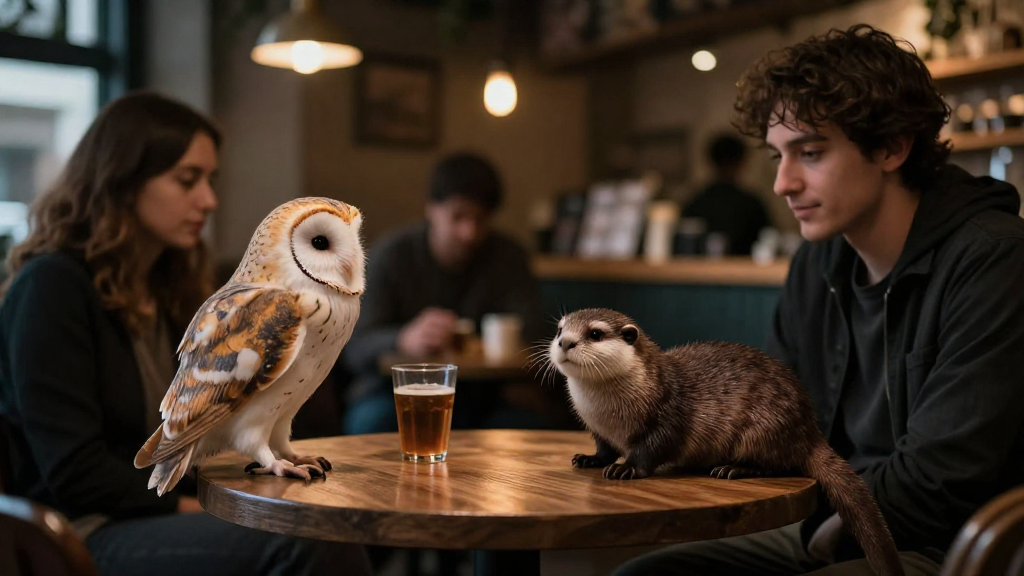
Imagine sipping your morning latte while an exotic creature graces your presence – perhaps a majestic owl perched nearby, or a playful otter scampering at your feet. This is the alluring promise of exotic animal cafes, a phenomenon blending the cozy ambiance of coffee culture with the thrill of wildlife encounters. However, beneath the surface of these Instagram-worthy experiences lies a growing concern for the welfare of the animals involved.
These establishments, which allow patrons to interact with a variety of non-domesticated animals, have surged in popularity. While they offer a unique form of entertainment and a novel way to experience wildlife, questions are increasingly being raised about the ethical implications and the potential stress and harm inflicted upon the animals.
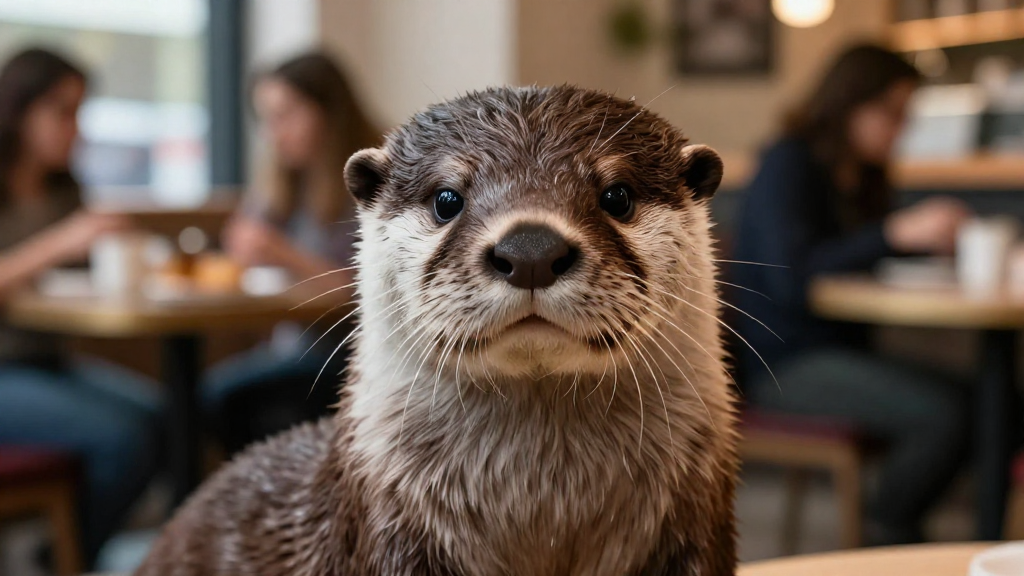
The core issue revolves around whether these environments can genuinely meet the complex needs of exotic species. Factors such as specialized diets, appropriate social structures, adequate space, and freedom from constant human interaction are crucial for the well-being of wild animals. The constant exposure to a rotating cast of unfamiliar people, loud noises, and unfamiliar surroundings can lead to significant stress, behavioral abnormalities, and even physical health problems for the animals.
- Stress and Behavioral Issues: Animals may exhibit stereotypic behaviors (repetitive, purposeless actions) due to confinement and stress.
- Health Risks: Constant handling and exposure can compromise their immune systems and lead to illness.
- Ethical Concerns: The commodification of wild animals for entertainment raises fundamental ethical questions about our relationship with the natural world.
- Conservation Impact: The trade in exotic animals for cafes can fuel illegal wildlife trafficking and negatively impact wild populations.
While the intention might be to foster appreciation for wildlife, the reality for many animals in these cafes is far from ideal. Experts in animal welfare and conservation often caution against such practices, emphasizing that the needs of wild animals are best met in their natural habitats or in specialized sanctuaries equipped to provide appropriate care.
As the trend continues, consumers are urged to consider the ethical ramifications and the potential welfare costs behind the novelty. Supporting these establishments may inadvertently contribute to a system that prioritizes human entertainment over animal well-being.
Based on reporting from Phys.org. Read full report.