
Meadows Are Silently Losing Diversity – New Research Offers Early Warning System
Once vibrant ecosystems buzzing with life, meadows are experiencing a hidden decline in biodiversity. A groundbreaking study by a German-Swiss research team, spearheaded by Professor Dr. Lena Neuenkamp at Bielefeld University, has developed a method to detect this loss before species vanish entirely.
- Early Detection: Spatial data can now predict biodiversity loss in meadows.
- Proactive Conservation: This allows for interventions before species disappear.
- Scientific Breakthrough: Offers a new tool for ecological monitoring.
The Power of Spatial Data in Ecology
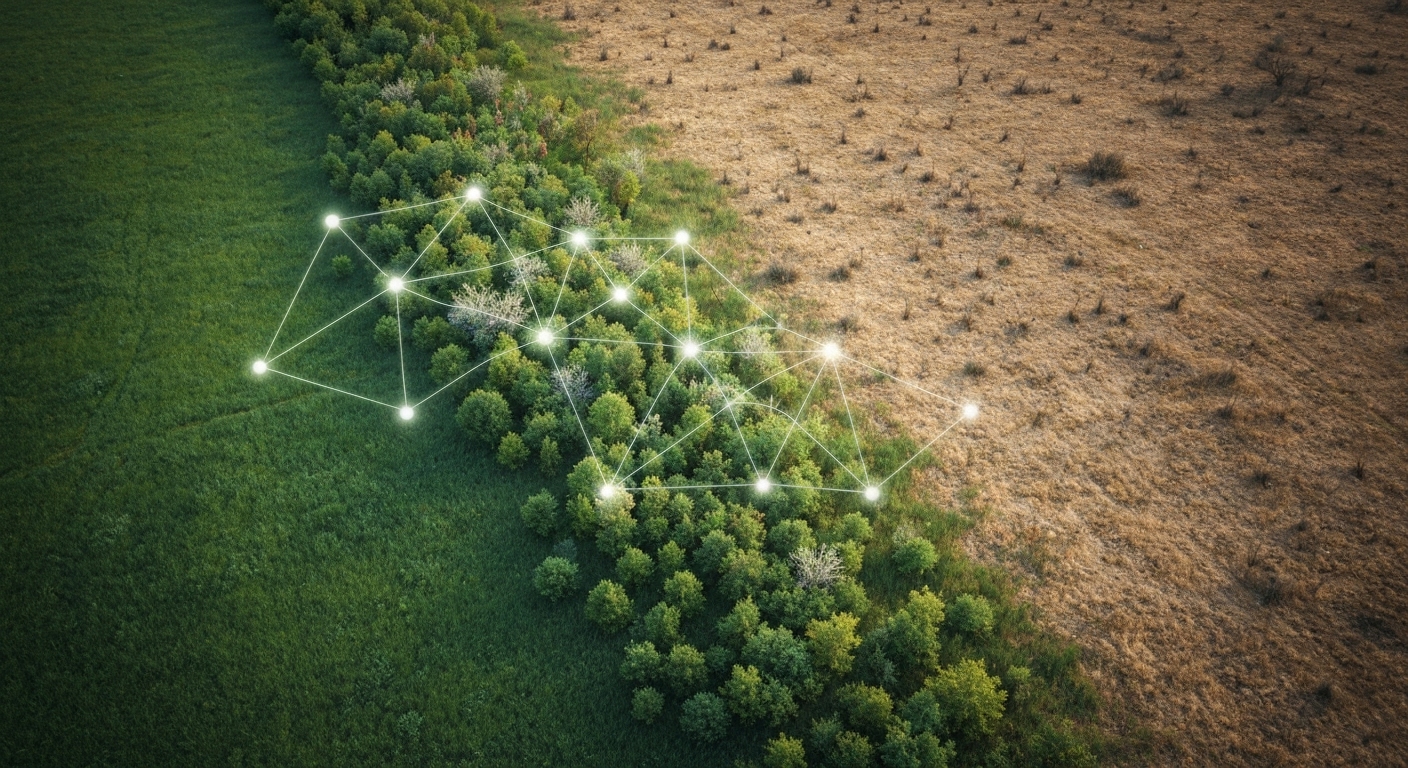
Traditional methods of monitoring biodiversity are often reactive, only confirming losses after they have occurred. This new research leverages sophisticated spatial data analysis to identify subtle changes in meadow ecosystems. By analyzing patterns within the landscape, scientists can now pinpoint areas at high risk of biodiversity collapse.
Professor Neuenkamp’s team has demonstrated that these spatial signatures can serve as an early warning system. This is crucial for conservation efforts, allowing resources to be directed effectively to where they are needed most.
Why This Matters: A Critical Tool for Conservation
The implications of this research are profound. Biodiversity loss is a critical global challenge, threatening ecosystem stability and services we rely on. Having a predictive tool like this moves conservation from a reactive stance to a proactive one. It means we can potentially save species and habitats that would otherwise be lost unnoticed.
This technology could revolutionize how we manage natural landscapes, from agricultural fields to protected nature reserves. It underscores the growing importance of data science in addressing environmental crises. We’ve seen similar data-driven approaches transform fields like climate modeling; now, ecology is set to benefit.
This article was based on reporting from Phys.org. A huge shoutout to their team for the original coverage.