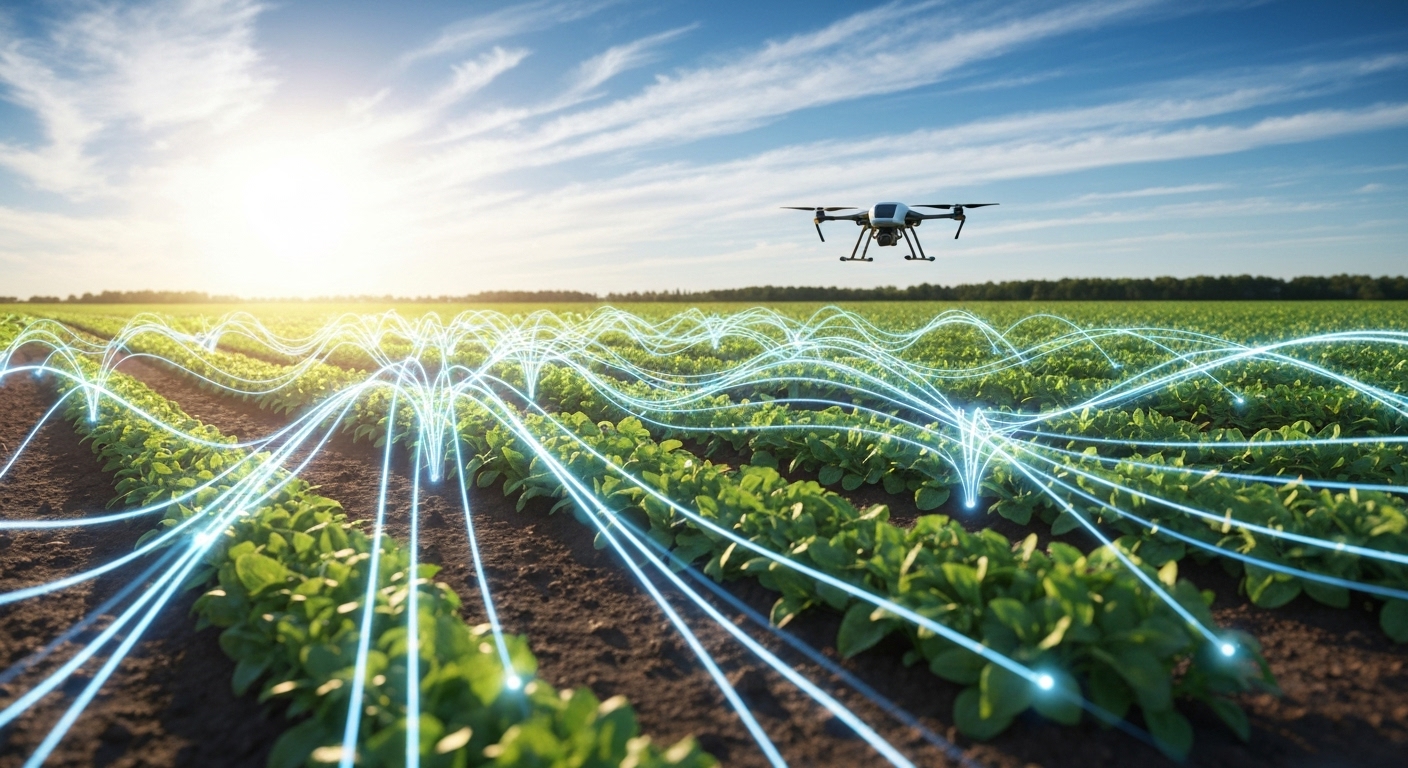


Darryl Lyons, co-founder and Chief Rainmaker at Rainstick, has unveiled a groundbreaking approach to agricultural productivity, leveraging bioelectricity to create what the company terms “Lightning-as-a-Service.” This innovative AgTech solution aims to enhance crop yields and plant health by harnessing electrical currents.
Key Takeaways
- Rainstick employs bioelectricity to boost agricultural output.
- The “Lightning-as-a-Service” model offers a novel approach to farm management.
- This technology could significantly impact crop yields and plant resilience.
Harnessing Nature’s Power for Farm Productivity
Rainstick’s core innovation lies in its ability to deliver controlled electrical stimuli to plants. While the specifics of the bioelectric application are proprietary, the concept suggests a targeted approach to plant growth, potentially mimicking or augmenting natural processes that influence development and defense mechanisms.
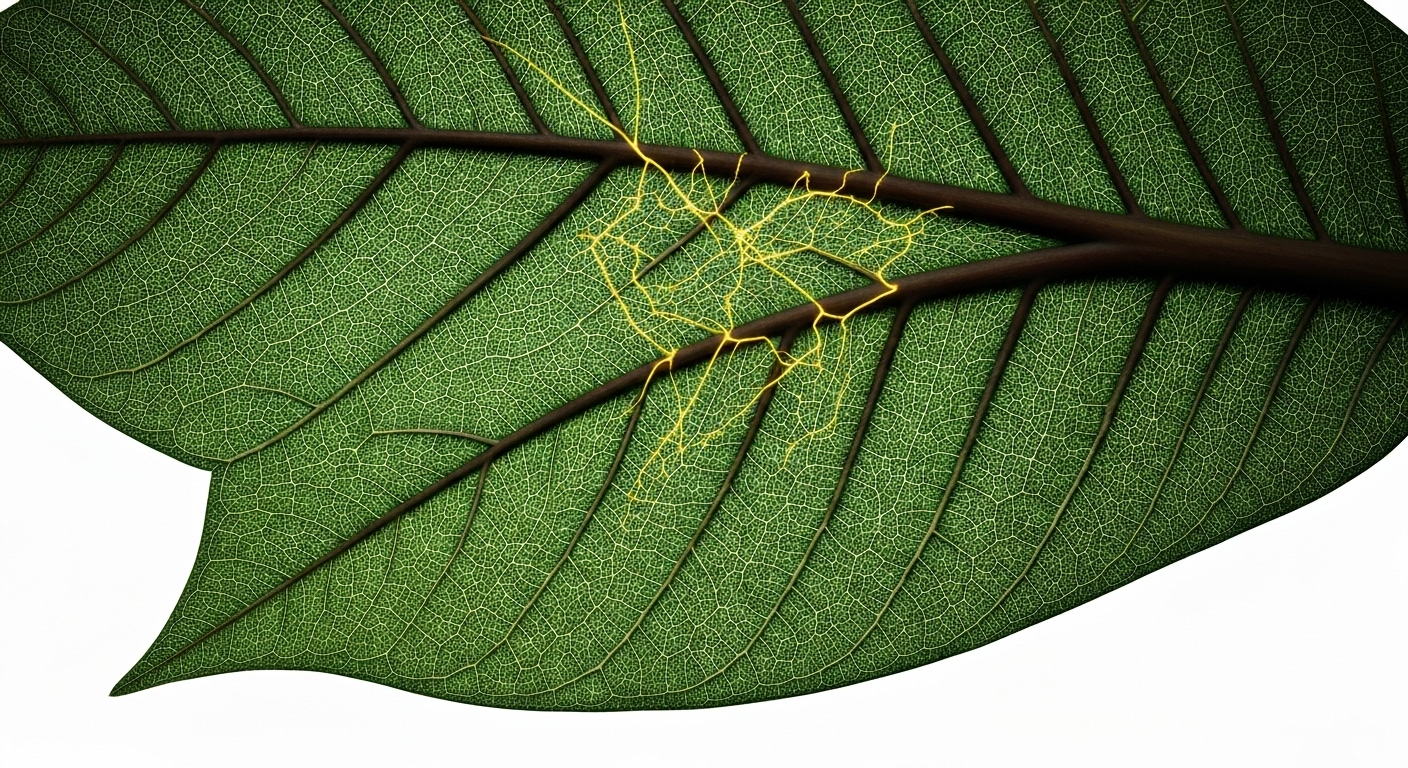
The “Lightning-as-a-Service” model implies a subscription-based or managed service, making advanced AgTech accessible to a wider range of agricultural operations without requiring massive upfront investment in specialized equipment. This could democratize access to cutting-edge farming techniques.
Why This Matters: The Future of Sustainable Farming
In an era where sustainable and efficient food production is paramount, technologies like Rainstick’s could be a game-changer. By enhancing plant health and yield through bioelectricity, farmers may be able to reduce reliance on traditional chemical inputs, leading to more environmentally friendly practices. Furthermore, increased resilience could help crops better withstand environmental stressors, a critical concern in the face of climate change.
The potential for bioelectricity in agriculture is a fascinating intersection of biology and electrical engineering. If Rainstick can demonstrate consistent, scalable results, this could pave the way for a new generation of AgTech solutions that are both effective and sustainable.
This article was based on reporting from Stack Overflow Blog. A huge shoutout to their team for the original coverage. Read the full story at Stack Overflow Blog